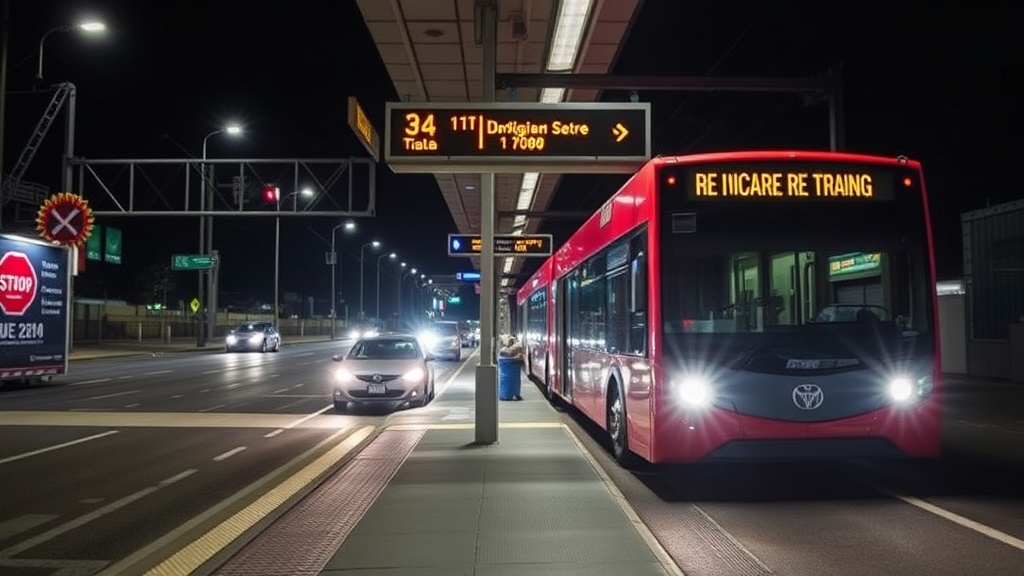
How to Navigate Brossard's REM and Public Transit Like a Local

This post breaks down everything locals need to know about Brossard's REM connection — from tapping your OPUS card at the station to catching the right bus home. Whether you're commuting to downtown Montreal for work or figuring out weekend trips without the car, here's the practical know-how that'll save you time, money, and frustration.
What's the Fastest Way to Get from Brossard to Downtown Montreal?
The REM gets you from Brossard station to Central Station in roughly 17 minutes. That's it. No traffic headaches on the Champlain Bridge, no hunting for parking downtown.
The REM (Réseau express métropolitain) opened its South Shore branch in 2023, and it's changed how we move. The automated light-rail system runs every 3 to 5 minutes during rush hour, dropping to every 10 minutes off-peak. For Brossard residents working in the city, this predictable schedule beats driving on most days.
Here's the thing — the REM doesn't behave like the old commuter trains. There are no conductors, no paper tickets to punch, and the doors open automatically. You'll want an OPUS card loaded with fare coverage for zones A through B (or an all-zones pass if you're heading further). The fare gates at Brossard station accept contactless credit cards too, but the OPUS remains the most reliable option for regular riders.
The Brossard station sits near the intersection of Autoroute 10 and Boulevard de Rome — not exactly walkable for everyone. Most locals drive there and park, bike to the terminal, or connect via RTL bus. The station itself has over 2,000 parking spots, though they fill up by 7:30 AM on weekdays. (The earlier you arrive, the better your chances.)
Which REM Station Should You Use in Brossard?
Depends on where you live and where you're headed. Brossard has three REM stops — each with different strengths.
| Station | Best For | Parking | Bus Connections |
|---|---|---|---|
| Brossard | Most of Brossard, especially west of Boulevard Taschereau | 2,000+ spaces (paid) | RTL lines 14, 35, 38, 42, 44, 45, 46, 47, 49, 50, 54 |
| Panama | Quartier DIX30, eastern Brossard | Limited (park-and-ride fills fast) | RTL lines 8, 14, 29, 32, 39, 59 |
| Du Quartier | Sectors near Boulevard de Rome, Quartier Étoile | Street parking nearby | RTL lines 28, 32, 36, 38 |
Panama station sits right next to Quartier DIX30 — handy if you're catching dinner or shopping before heading home. The catch? Its parking lot is tiny compared to Brossard station. Many locals skip the hassle and take an RTL bus to Panama instead of driving.
Du Quartier station serves the newer developments around Boulevard de Rome. It's quieter than the other two — fewer crowds, easier boarding. If you live in the Étoile area or off Boulevard Matte, this might be your best bet.
How Do You Pay for Transit in Brossard?
One fare covers your whole trip — REM, metro, and bus — as long as you complete it within 120 minutes. You'll need a valid OPUS card or contactless payment method tapped at every transfer point.
The RTL (Réseau de transport de Longueuil) operates buses throughout Brossard and connects to the REM at all three stations. Your fare depends on zones:
- Zone A (Longueuil–Agglomération): Covers all of Brossard, Longueuil, Saint-Lambert, and the REM to downtown
- Zone B (Montréal): The island of Montreal, including the metro system
- Zone C (suburbs): Laval, North Shore, South Shore exurbs
Most Brossard residents need at minimum an AB pass for commuting. The monthly pass runs around $155 as of early 2025 — not cheap, but competitive with parking downtown. Students, seniors 65+, and children get reduced rates with proper ID loaded onto the OPUS.
Worth noting: the REM and RTL use the same fare system, but the Exo commuter trains (for trips to Saint-Hyacinthe or farther) require different tickets. Don't get caught on an Exo train with just your RTL pass — inspectors do check, and fines start at $150.
What About Cycling to the REM?
Brossard has invested heavily in bike infrastructure connecting to REM stations. The Route verte bike path crosses the Samuel-De Champlain Bridge and feeds directly into the REM corridor — it's the most scenic way to get to the city, especially on summer mornings.
All three Brossard REM stations have covered bike parking. Brossard station offers the most secure option: a locked cage accessed with your OPUS card. You'll need to register for bike parking through the REM website — there's a small annual fee, but your bike stays dry and relatively safe.
The ride from central Brossard (near Mail Champlain) to Brossard station takes about 15 minutes on mostly separated paths. From the Étoile area to Du Quartier station, it's closer to 10 minutes. Here's the thing — you can't bring regular bikes onto the REM during rush hour (6:30–9:00 AM and 3:30–6:30 PM). Folding bikes are allowed anytime.
Seasonal Considerations
Winter cycling in Brossard isn't for everyone. The city clears most major bike paths within 24 hours of snowfall, but ice patches linger on bridges. Many fair-weather cyclists switch to the RTL's bike racks — most buses have front-mounted racks that hold two bicycles.
What RTL Bus Routes Connect to REM Stations?
The RTL redesigned its network around REM connections. Some routes changed dramatically in 2023, so older transit apps might steer you wrong.
Key routes serving Brossard station:
- Route 14: Sectors A and L, via Boulevard Lapinière
- Route 38: Sectors R and S, connecting through Parc Étoile
- Route 49: Sectors N and O, along Boulevard Rivard
- Route 50: Sectors P and Q, via Boulevard Rome and Matte
Key routes serving Panama station:
- Route 8: Sectors M and T, through Quartier DIX30
- Route 32: Saint-Hubert connections via Boulevard Cousineau
- Route 39: Direct service from Greenfield Park
Real-time tracking works through the RTL's mobile app or third-party apps like Transit and Google Maps. The REM itself displays next-train times on platform screens — accurate to the minute.
What Should You Know About REM Etiquette and Practical Tips?
Boarding works differently here than on Montreal's metro. The REM trains have wide doors and level boarding — no steps up or down. Stand back from the yellow line, let exiting passengers off first, then board quickly. The trains don't linger long.
Inside, you'll find a mix of forward-facing seats and flip-up seats near the doors. Priority seating is marked for seniors, pregnant women, and people with disabilities — and Brossard riders generally respect this. During rush hour, expect standing room only on the first few cars leaving Brossard station.
The REM runs on rubber tires (unlike the metro's steel wheels), so it's quieter — but also prone to weather delays in ways the metro isn't. Ice on the elevated tracks can slow service. When this happens, the REM posts updates on their Twitter account and app within minutes.
Power outlets and USB ports line the walls of each car. The Wi-Fi works reasonably well for email and messaging — less so for video calls.
Accessibility Notes
All REM stations in Brossard are fully accessible. Elevators serve every platform, and tactile guide strips help visually impaired riders navigate. If you need assistance, station agents are available during operating hours — look for the blue " assistance" button on fare machines or platform help points.
What's the Best Strategy for Regular Commuters?
Consistency matters. If you're taking the REM daily, consider these habits that seasoned Brossard commuters have developed:
- Arrive 10 minutes early. The schedule is reliable, but platform crowding varies. Earlier trains have more seats.
- Walk to the far end of the platform. Most people cluster near the entrance stairs. The last car usually has space.
- Keep your OPUS in a dedicated pocket. Fumbling for cards at fare gates holds up the line — and locals notice.
- Have a backup plan. When the REM has issues (rare, but it happens), the RTL runs express buses to downtown via the Champlain Bridge. Check the RTL app for "Service REM alternatif" notifications.
The REM has shifted Brossard's relationship with Montreal. What used to be a 45-minute drive (or an unpredictable bus-metro combination) now takes under 20 minutes, every time. That said, it works best when you know the quirks — which station to use, how to pay, when to bike, and when to just take the bus.
Our community's transit landscape looks different than it did five years ago. The REM isn't perfect — the parking costs add up, the bike restrictions frustrate some, and the zone fare system confuses newcomers. But for thousands of Brossard residents, it's become the default way to move. Learn these systems once, and you'll move through the city like you've lived here for years.
Steps
- 1
Get your OPUS card and load the right fare for REM and bus connections
- 2
Plan your route using the REM stations and connecting RTL bus lines
- 3
Time your trips around peak hours and learn station amenities